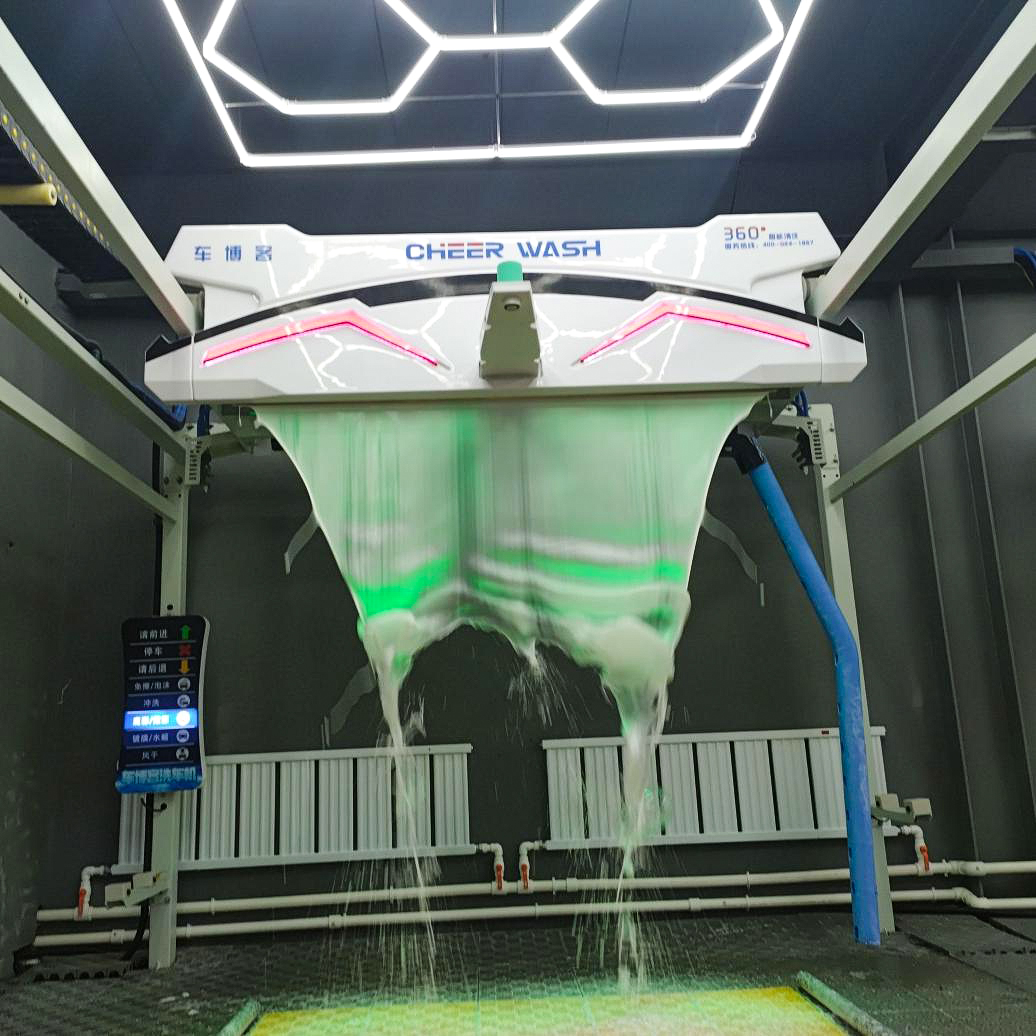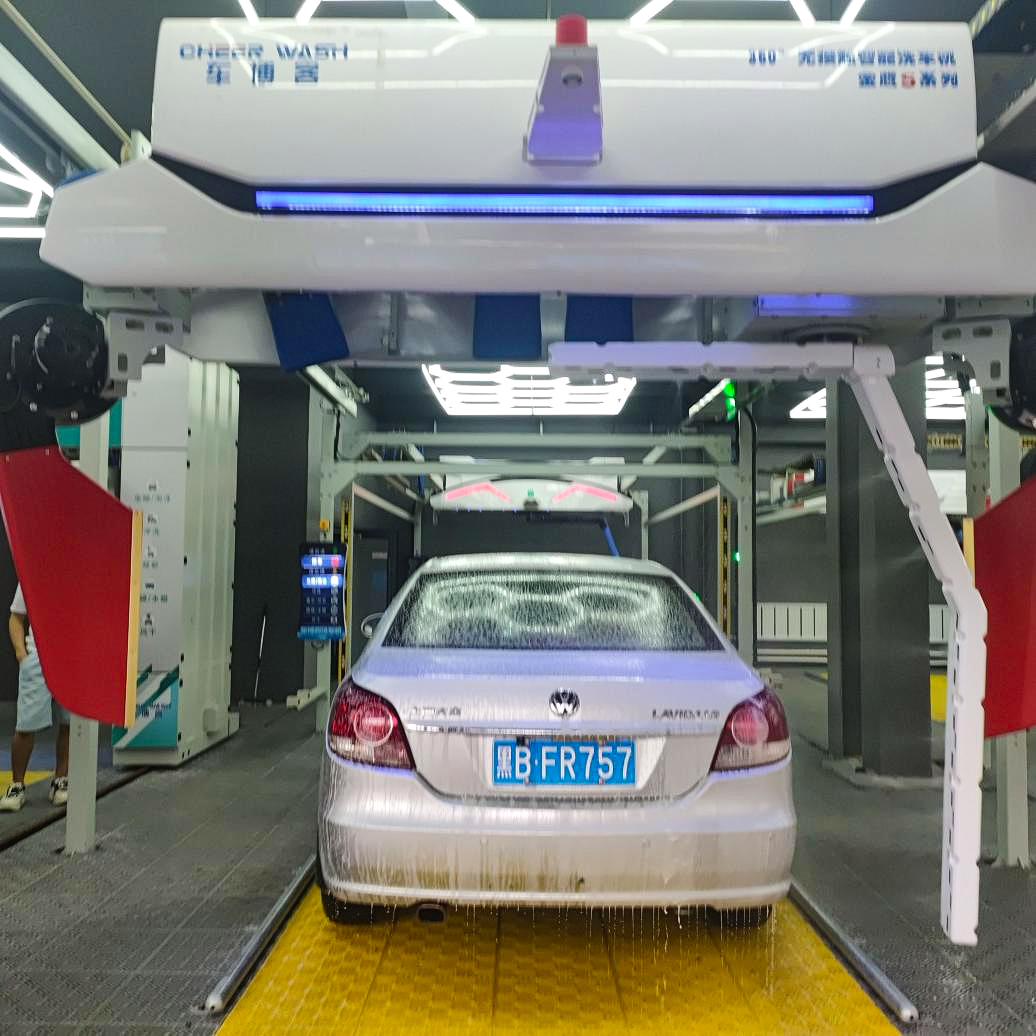
When was the last time you washed your car? Regular car washes do more than make it shine. They protect your investment and enhance safety. In this post, you'll learn about the importance of regular car washes and the advantages of Touchless Car Wash Machine. Discover how these methods preserve your vehicle's appearance and functionality.
Why Wash Your Car Regularly?
Keeping your car clean isn’t just about looking good. Regular washing has several long-term benefits that protect your investment and keep your vehicle running smoothly.
Long-term Benefits of Car Washing
Washing your car regularly helps maintain its appearance and value. Dirt, grime, and pollutants build up over time and can dull your paint’s shine. Removing these contaminants keeps your car looking fresh and new. Clean cars also tend to have better resale value because they show less wear and tear.
Another big benefit is safety. Clean windows, mirrors, and lights improve visibility, which means safer driving. Plus, washing your car lets you spot small issues early, like scratches or chips, which you can fix before they worsen.
Preventing Paint and Rust Damage
Dirt and debris aren’t just unsightly; they can harm your car’s paint and metal parts. Bird droppings and tree sap contain acids that eat away at the clear coat, causing permanent damage if left too long. Salt from roads or ocean air accelerates rust, especially on the undercarriage.
Washing removes these harmful substances before they cause damage. It also prevents moisture from getting trapped, which can lead to rust and corrosion. Regular washing, combined with waxing, creates a protective barrier that shields your paint and metal surfaces from the elements.
By washing your car regularly, you extend the life of its finish and structural parts. This reduces repair costs and keeps your vehicle looking and functioning well for years.
How Often Should You Wash Your Car?
General Guidelines
Washing your car every two weeks is a solid rule of thumb. This schedule helps keep dirt, grime, and harmful substances from settling too long on your vehicle. Regular washes maintain your car’s shine and protect its paint and metal parts. If you drive less often or mostly in clean, dry conditions, you might stretch this to once a month. However, don’t wait until your car looks dirty—dirt and contaminants build up quietly and cause damage over time.
Daily washing isn’t necessary and can be time-consuming, but modern paints handle frequent washing better than older ones. The key is to balance cleanliness with care, avoiding harsh soaps or abrasive methods that strip wax or scratch paint.
Factors Affecting Washing Frequency
Several factors influence how often you should wash your car:
● Driving Environment: Urban areas expose cars to pollution, road grime, and bird droppings. Rural or gravel roads add dust and mud. Coastal regions bring salt spray, which corrodes metal quickly.
● Weather Conditions: Rain can leave water spots and dirt streaks. Snow and ice introduce road salt, which accelerates rust. Hot, sunny climates may cause dust buildup but dry conditions reduce grime.
● Usage: Frequent drivers or those using their cars for work, like delivery or rideshare, need more frequent washes. Occasional drivers may go longer between washes.
● Parking: Cars parked outdoors collect more dirt, sap, and bird droppings than those in garages or covered areas.
● Season: Winter demands more frequent washing due to salt and grime. Summer may require fewer washes but still needs regular attention to bugs and pollen.
Practical Washing Frequency Examples
Condition | Recommended Washing Frequency |
Coastal or salted roads | Once a week or every 5-7 days |
Urban daily commuter | Every 1-2 weeks |
Rural or dusty roads | Every 1-2 weeks |
Garage parked, light usage | Every 3-4 weeks |
Winter in snowy regions | Every 5-10 days |
Adjust based on your car’s appearance and feel. If you notice bird droppings, sap, or salt, wash immediately to avoid damage.
The Role of Location and Environment
Where you live and drive plays a big role in how often you should wash your car. The environment exposes your vehicle to different elements that can speed up wear and tear or cause damage.
Impact of Salt and Ocean Air
If you live near the ocean, salty air can be a real threat. Salt clings to your car’s paint and metal parts, speeding up rust and corrosion. This is especially true for the undercarriage, where salt can accumulate unnoticed. Washing your car frequently helps rinse off salt before it causes damage.
In winter, road salt used to melt ice creates similar problems. Salt can eat through paint and metal quickly. Drivers in snowy or icy regions should wash their cars more often—sometimes weekly—to keep salt buildup in check.
Urban vs Rural Settings
Urban areas expose cars to pollution, grime, and bird droppings, all of which can harm your paint if left too long. City drivers often need more frequent washes to combat these pollutants.
Rural areas bring their own challenges. Dust, mud, and pollen can coat your car, especially if you drive on dirt or gravel roads. While these might not cause rust like salt, they still wear down your paint and make your car look dirty faster.
Parking habits matter too. Cars kept in garages or covered areas avoid much of the environmental grime, allowing for longer intervals between washes. Outdoor parking means more exposure to dirt, sap, and bird droppings, requiring more frequent cleaning.
Winter Car Washing Tips
Importance of Winter Washes
Winter poses unique challenges for car care. Snow, ice, and cold temperatures may discourage regular washing, but this season demands even more attention. Road salt and de-icing chemicals protect roads but are harsh on your car. They accelerate rust, especially beneath the vehicle where salt can hide and corrode metal parts.
Regular winter washes prevent salt buildup. This reduces corrosion risk and preserves your car’s structural integrity. It also keeps your paint from dulling or peeling due to salt’s abrasive nature. Besides salt, winter grime like mud and slush can trap moisture, causing rust and paint damage over time.
Washing your car every 5 to 10 days during winter is ideal, especially in snowy or icy areas. If you live where winters are mild, washing every 10 days may suffice. The key is to rinse off salt and grime before they cause lasting harm.
Techniques for Cold Weather
Washing your car in freezing weather requires care to avoid damage. Water can freeze on your car, locking doors or damaging seals. Here are smart tips for safe winter car washing:
● Wash When Temperatures Are Above 40°F (4°C): This prevents water from freezing quickly on your car’s surface.
● Use Warm Water: Warm water helps dissolve salt and grime better and reduces freezing risk.
● Focus on Undercarriage and Wheel Wells: Salt accumulates here most. Use a hose or pressure washer to flush these areas thoroughly.
● Wash One Section at a Time: This avoids soap drying and freezing before rinsing.
● Dry Your Car Completely: Use microfiber towels to remove water, especially around door seals and locks.
● Lubricate Door Seals and Locks: Applying silicone spray prevents freezing and sticking.
● Consider Professional Washes: Many car washes have heated bays or undercarriage sprays ideal for winter care.
Avoid automatic car washes with harsh brushes during winter—they can damage paint and don’t always clean salt effectively. Hand washing or touchless car washes are safer options.
Waxing before winter helps protect your paint by adding a water-repellent layer. However, apply wax only when temperatures are warm enough for it to cure properly.

Benefits of Touchless Car Wash Machines
Advantages Over Traditional Washes
Touchless car wash machines offer several benefits compared to traditional methods. Since they don’t use brushes or cloths that physically touch your car, they reduce the risk of scratches, swirl marks, and paint damage. This is especially important for cars with delicate or newly polished finishes.
These machines use high-pressure water jets combined with specialized detergents to remove dirt, grime, and contaminants. Because there’s no physical contact, they are gentler on your car’s paint and clear coat. This method also prevents the buildup of abrasive particles trapped in brushes, which can cause micro-scratches over time.
Touchless washes tend to be faster and more convenient. You can get a thorough clean without spending much time or effort. They’re also great for people who want to avoid the hassle and mess of hand washing but still care about preserving their car’s finish.
Another advantage is hygiene. Since the equipment doesn’t touch your car, there’s less chance of transferring dirt or bacteria from one vehicle to another. This can be a subtle but valuable benefit, particularly in public or high-traffic car wash locations.
How Touchless Machines Work
Touchless car wash machines operate using a combination of water pressure, detergents, and rinses to clean your vehicle. First, the car passes through a pre-soak phase where detergents loosen dirt and grime. These detergents are specially formulated to break down tough contaminants like road salt, bugs, and bird droppings without harming the paint.
Next, powerful water jets spray the car from multiple angles, blasting away loosened dirt. The pressure is carefully calibrated to be strong enough to clean effectively but gentle enough to avoid damage. Some systems use a mix of hot water and detergents to enhance cleaning power.
After the wash phase, the car is rinsed thoroughly to remove all soap and residue. Many touchless systems include a final rinse with deionized water to prevent water spots and streaks.
Some advanced touchless car washes also offer optional wax or sealant applications during the process. These products add a protective layer that helps repel dirt and water, keeping your car cleaner longer.
Overall, touchless car wash machines combine technology and chemistry to provide a safe, efficient, and effective cleaning option. They are particularly suitable for drivers who want to maintain their car’s finish without the risks associated with brushes or hand washing.
Maintaining Your Car's Interior
Importance of Interior Cleaning
Keeping your car’s interior clean is just as important as washing the exterior. A tidy cabin improves your driving experience and helps maintain the vehicle’s value. Dirt, crumbs, and debris can wear down upholstery and cause unpleasant odors over time. Regular interior cleaning prevents these issues and keeps your car feeling fresh.
Dust and allergens accumulate inside the car, affecting air quality. Wiping down surfaces like the dashboard, door panels, and center console removes dust and reduces allergens. Vacuuming seats and carpets eliminates dirt particles that can degrade fabric and cause stains. For those with pets, removing hair regularly prevents buildup that can be tough to clean later.
Leather seats require special attention. Without proper care, leather can dry out, crack, or fade. Cleaning and conditioning leather every few months keeps it supple and prolongs its life. Using products designed for automotive leather protects against sun damage and wear.
Windows and mirrors inside the car also need cleaning. Smudges and streaks can reduce visibility, especially at night or in bright sunlight. Use a quality glass cleaner and microfiber cloth to keep these surfaces clear and streak-free.
Tips for Keeping the Interior Fresh
● Vacuum Regularly: Remove dirt, crumbs, and pet hair from carpets, seats, and floor mats. Pay attention to hard-to-reach areas under seats and in crevices.
● Wipe Surfaces: Use a damp microfiber cloth to clean the dashboard, door panels, and console. For sticky or grimy spots, use an interior cleaner safe for your car’s materials.
● Protect Leather: Clean and condition leather seats every three months. Use products made for automotive leather to prevent drying and cracking.
● Clean Windows: Use a streak-free glass cleaner and microfiber cloth to keep interior windows and mirrors spotless.
● Use Air Fresheners Wisely: Avoid overpowering scents. Opt for mild, natural air fresheners or odor absorbers to keep the cabin smelling pleasant.
● Remove Trash Daily: Don’t let garbage pile up. Empty trash regularly to prevent odors and clutter.
● Consider Floor Mats: Rubber mats are great for trapping dirt and moisture, especially in wet or snowy weather. They protect carpets and are easy to clean.
Keeping your car’s interior clean not only enhances comfort but also protects the vehicle’s materials from damage. A well-maintained interior contributes to a more enjoyable ride and helps retain resale value.
Conclusion
Regular car washing maintains appearance, safety, and prevents damage. Factors like environment and usage affect frequency. Winter demands special care to combat salt and grime. Touchless car washes, like those offered by Cheer Wash, protect paint while ensuring thorough cleaning. Interior maintenance is equally vital for comfort and value retention. Consistent care keeps vehicles in top condition, enhancing longevity and resale value.
FAQ
Q: What is a Touchless Car Wash Machine?
A: A Touchless Car Wash Machine is an automated system that cleans vehicles using high-pressure water jets and detergents, avoiding physical contact with the car's surface.
Q: How often should I wash my car using a Touchless Car Wash Machine?
A: For optimal protection, use a Touchless Car Wash Machine every two weeks, or more frequently if exposed to harsh conditions like salt or pollution.
Q: Why choose a Touchless Car Wash Machine over traditional methods?
A: Touchless Car Wash Machines prevent scratches and paint damage by avoiding brushes, offering a gentler and faster cleaning alternative.
Q: What are the benefits of using a Touchless Car Wash Machine?
A: Benefits include reduced risk of scratches, faster cleaning, and effective removal of dirt without physical contact, preserving the car's finish.
Q: Can a Touchless Car Wash Machine prevent rust?
A: Yes, by removing salt and grime effectively, a Touchless Car Wash Machine helps prevent rust and corrosion, especially in winter or coastal areas.