Winter car washing can be tricky. Have you ever wondered how cold is too cold to wash your car? Keeping your car clean in winter is crucial, but freezing temperatures pose challenges like ice formation and reduced cleaning efficiency. In this post, you'll learn about temperature thresholds, benefits of winter washing, and alternatives like Touchless Car Wash Machine.
Understanding Temperature Thresholds for Car Washing
Why 32°F (0°C) is a Critical Threshold
Washing your car when temperatures dip to 32°F (0°C) or below can cause problems. This temperature marks water’s freezing point. If water freezes on your car, it can form ice patches that are tough to remove and potentially harmful. Ice can make doors, locks, and hinges stick or freeze shut, which is frustrating and may cause damage when you try to open them.
Water also behaves differently near freezing. Soap and water don’t clean as well in icy conditions, so grime and salt might remain even after washing. This is a big concern because salt and dirt can corrode your car’s paint and metal parts if not cleaned properly.
Effects of Washing Below Freezing Temperatures
Washing your car below 32°F can lead to several issues:
● Ice Formation on Surfaces: Water left on the car can freeze quickly, especially in shaded or windy spots. This ice adds weight and can cause scratches if you try to remove it roughly.
● Frozen Locks and Seals: Moisture can seep into door seals and locks, freezing and causing parts to stick or crack.
● Reduced Cleaning Efficiency: Cold water reduces soap’s ability to dissolve dirt, leaving your car less clean.
● Risk of Cracked Windows: Using hot water on cold glass can cause thermal shock, which might crack windows.
Because of these risks, many experts recommend washing your car only when temperatures are above freezing and ideally closer to 40°F (4°C). If you must wash below freezing, using a heated garage or professional car wash with drying systems helps prevent ice buildup.
Risks of Washing Your Car in Freezing Weather
Potential Damage to Car Components
Washing your car when temperatures are below freezing can cause serious damage to various parts. Water can seep into door seals, locks, and hinges. When this moisture freezes, it expands and may crack or warp these components. Frozen door handles and locks can make it tough to get inside your car. In some cases, ice buildup might even prevent windows from rolling down or cause windshield wipers to stick, reducing visibility.
The rubber seals around your doors and windows are especially vulnerable. Water trapped in these seals can freeze and cause them to become brittle or crack. This damage leads to leaks and wind noise, potentially increasing repair costs.
Using hot water on cold glass is risky, too. The sudden temperature change can cause windows to crack or shatter due to thermal shock. So, avoid using very hot water on your car during cold weather.
Ice Formation on Vehicle Surfaces
When washing your car in freezing temperatures, water left on the surface can freeze quickly. Ice forms on paint, mirrors, windows, and even tires, creating slick, hard-to-remove patches. Trying to scrape off this ice can scratch your car’s paint or damage trim pieces.
Ice buildup also adds weight and stress to your vehicle’s exterior. For example, frozen snow and ice on wipers or mirrors can break these parts if you try to use them before thawing.
Moreover, ice can form on the ground around your car, creating slippery conditions that increase the risk of falls or accidents while washing.
Benefits of Washing Your Car in Winter
Prevention of Rust and Corrosion
Winter roads often get treated with salt and chemicals to melt ice. While these substances keep roads safer, they can play havoc on your car’s metal parts. Salt sticks to your car’s body and undercarriage, accelerating rust and corrosion. This damage can weaken vital components like brake lines, fuel lines, and suspension parts, leading to costly repairs.
Washing your car regularly during winter removes salt, dirt, and grime before they have a chance to eat away at the metal. Even if temperatures are cold, keeping your car clean helps protect its finish and structural integrity. Think of washing as a shield that slows down corrosion and prolongs your car’s life.
Maintaining Visibility and Safety
Winter grime isn’t just ugly; it can also be dangerous. Salt, mud, and slush buildup on windows, mirrors, and lights reduce your visibility. Dirty headlights and taillights are less effective, making it harder for you to see and be seen by other drivers.
Regular washing clears away these obstructions, improving your ability to drive safely. Clean windows reduce glare and fogging, while clear mirrors give you better awareness of your surroundings. Plus, removing buildup from windshield wipers ensures they work effectively, keeping your windshield clear during snow or rain.

Best Practices for Washing Your Car in Cold Weather
Washing your car in cold weather takes a bit more care to avoid damage and freezing issues. Here are some effective practices to help you keep your car clean without risking harm when temperatures drop.
Using a Garage or Indoor Facilities
The best way to wash your car during cold months is inside a garage or any indoor space. This shields your vehicle from freezing air and wind, keeping water from turning to ice on your car’s surface. If you rinse outside, quickly move your car indoors to dry it. A heated garage is even better, as it helps speed up drying and prevents ice buildup on locks, seals, and door handles.
If you don’t have access to a garage, consider visiting a professional car wash with heated bays. These facilities maintain a warm environment, reducing freezing risks and ensuring a thorough clean without the hassle of battling winter’s chill at home.
Washing Under Sunlight
If indoor washing isn’t an option, try to wash your car during the warmest part of the day, usually early afternoon. Sunlight naturally raises the temperature around your vehicle, helping water evaporate faster and reducing ice formation risk.
Choose a spot that gets direct sun exposure. The sun’s warmth helps prevent water from freezing on your car’s paint, mirrors, and windows. It also makes drying easier since the heat speeds evaporation. Remember, the shorter winter days mean you have a limited window for this, so plan your wash accordingly.
Employing Lukewarm Water
Using lukewarm water instead of cold water can make a big difference. Warm water cleans better by loosening dirt and salt more effectively, and it takes longer to freeze once on the car. However, avoid hot water, as the sudden temperature change can crack your windows due to thermal shock.
Lukewarm water strikes a good balance — it helps remove grime and salt but is gentle enough to avoid damaging paint or glass. When washing by hand, fill your bucket with lukewarm water and use it to rinse and wash your car in sections to prevent water from cooling too quickly.
Alternatives to Traditional Car Washing
Waterless Car Shampoo
Waterless car shampoo offers a great option when temperatures drop too low for a traditional wash. This method uses special cleaning sprays and microfiber towels to lift dirt and grime without water. It’s perfect for spot cleaning or when you want to avoid the risk of freezing water on your vehicle.
Since it doesn’t rely on rinsing, waterless shampoo reduces the chance of ice forming on your car’s surface, locks, or seals. However, it works best on lightly soiled cars. For heavy salt or mud buildup, it may not be enough to protect your vehicle fully.
Professional Detailing Services
Professional detailing services provide a safe and thorough way to clean your car during winter. Detailers use heated indoor facilities, ensuring water won’t freeze on your car. They also have specialized tools and products to clean hard-to-reach areas like undercarriages and door seals.
Detailing goes beyond washing by applying protective coatings such as wax or ceramic layers. These treatments shield your paint from salt and grime, extending your car’s life and appearance. Professionals know how to handle cold-weather challenges, preventing damage often caused by DIY winter washes.
Touchless Car Wash Machine Options
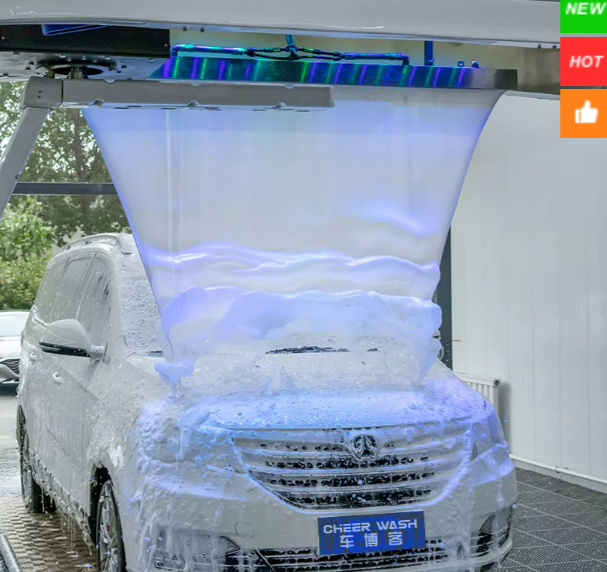
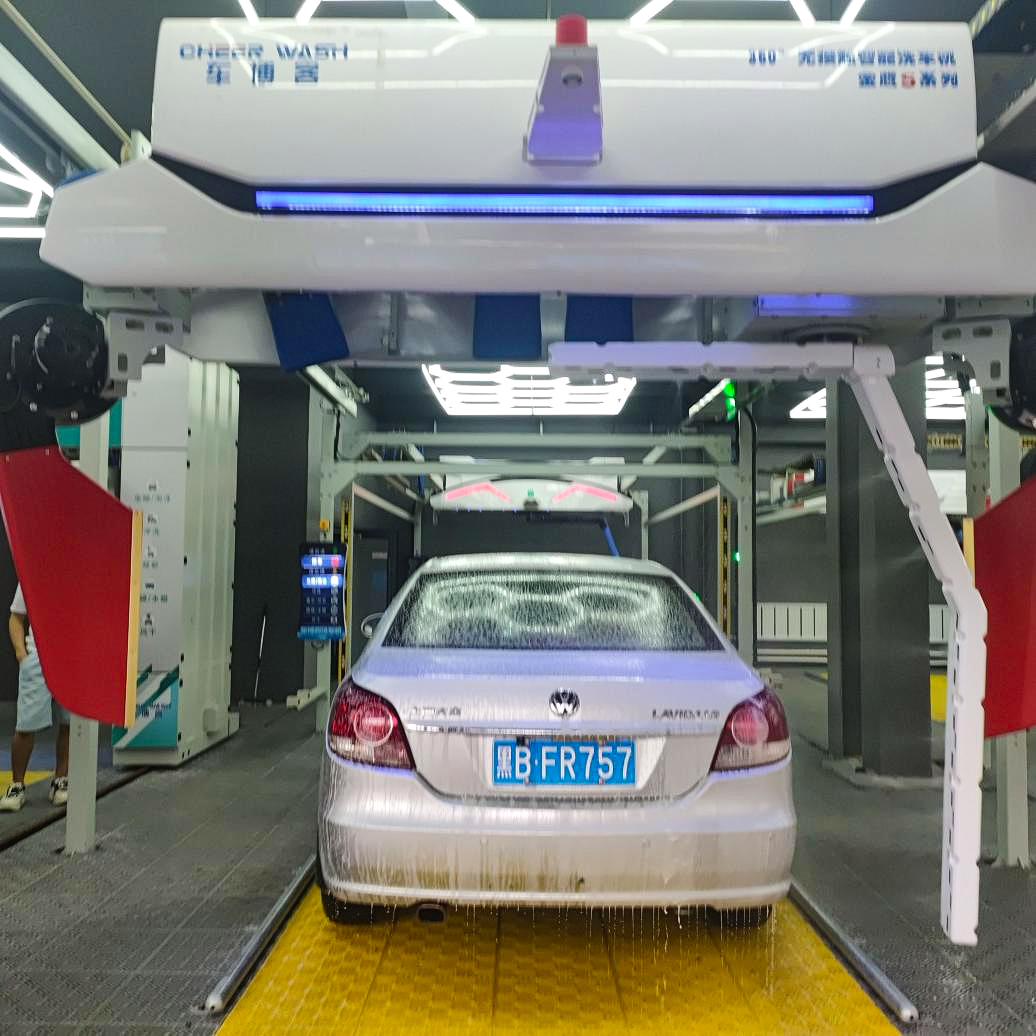
Touchless car wash machines are another alternative that suits cold weather well. These automated systems use high-pressure water jets and detergents to clean without physical brushes. This reduces the risk of scratches or damage to your paint.
Many touchless washes operate in temperature-controlled environments or have heated drying systems. These features help prevent water from freezing on your car during or after the wash. Choosing a reputable touchless car wash with strong drying capabilities is essential to avoid ice buildup and frozen locks.
Importance of Removing Salt After a Snowstorm
How salt causes long-term damage
Salt used on winter roads melts ice but is tough on your car. When salt sticks to your vehicle, it speeds up rust and corrosion. Salt mixes with moisture, creating a corrosive solution that attacks metal parts. This affects not only the visible body but also hidden areas like the undercarriage, wheel wells, brake lines, and fuel lines. Over time, rust weakens these components, leading to costly repairs and even safety risks.
For example, salt corrosion on brake lines can cause leaks, reducing braking efficiency. Rust on the undercarriage can cause structural damage, compromising your car’s integrity. Paint damage from salt also makes your car look worn and can allow rust to start forming underneath.
Strategies for effective salt removal
Removing salt promptly after a snowstorm is key to protecting your car. Here are some effective strategies:
● Regular Washing: Wash your car frequently during winter, ideally every two weeks, or sooner after heavy salt exposure.
● Undercarriage Cleaning: Salt hides in hard-to-see spots under the car. Use a professional wash with undercarriage cleaning or a high-pressure hose to flush these areas.
● Use Warm Water: Warm water helps dissolve salt better than cold water, improving cleaning effectiveness.
● Dry Thoroughly: After washing, dry your car well, especially around door seals, locks, and hinges, to prevent water from freezing and causing damage.
● Protective Coatings: Applying wax or ceramic coatings creates a barrier against salt and moisture, reducing corrosion risk.
● Professional Detailing: Detailers can clean and protect your car deeply, reaching places you might miss and applying protective treatments.
By following these steps, you can minimize salt’s harmful effects and keep your car in good shape throughout winter.
Conclusion
Understanding temperature thresholds is crucial for winter car maintenance. Washing your car in freezing temperatures can lead to ice formation, damage to components, and reduced cleaning efficiency. To protect your vehicle, wash it in temperatures above freezing, ideally around 40°F. Use lukewarm water and dry thoroughly, focusing on locks and seals. Consider alternatives like waterless shampoo or professional detailing services to avoid freezing issues. For top-notch winter car care, Cheer Wash offers products and services that ensure your vehicle stays in great condition.
FAQ
Q: What temperature is too cold to use a Touchless Car Wash Machine?
A: It's generally too cold to use a Touchless Car Wash Machine when temperatures fall below 32°F (0°C), as water can freeze on your car, causing damage.
Q: How does a Touchless Car Wash Machine prevent freezing issues?
A: A Touchless Car Wash Machine often operates in a temperature-controlled environment and uses heated drying systems to prevent water from freezing on your vehicle.
Q: Why choose a Touchless Car Wash Machine in winter?
A: A Touchless Car Wash Machine reduces the risk of scratches and damage, as it uses high-pressure water jets without brushes, making it ideal for winter cleaning.