Did you know car washes can recycle up to 85% of water? Water recycling in car washes is crucial for conserving resources, reducing costs, and protecting the environment. In this article, you'll learn how car washes recycle water, the benefits of water conservation, and the role of Touchless Car Wash Machine in sustainable practices.
Understanding Water Recycling in Car Washes
What is Water Recycling?
Water recycling means collecting used water, cleaning it, and reusing it instead of throwing it away. In car washes, this process helps save water by treating dirty water from washing cars and putting it back into the system. It reduces the need to use fresh water every time, which is important in areas where water is limited.
How Car Washes Implement Water Recycling
Car washes use special systems designed to recycle water efficiently. Here’s how it generally works:
● Collection: Water used in washing, rinsing, and cleaning cars drains into a collection tank.
● Separation and Sedimentation: Heavy dirt, oils, and debris settle at the bottom of the tank. This step removes large particles.
● Filtration: The water passes through filters to remove smaller particles like soap, grease, and fine dirt.
● Disinfection: The filtered water is treated with UV light, ozone, or chemicals to kill bacteria and germs.
● Storage: Clean, treated water is stored in tanks, ready to be reused.
● Reuse: The recycled water is pumped back into the car wash system for tasks like pre-rinsing or undercarriage cleaning.
This closed-loop system reduces the amount of fresh water needed and cuts down wastewater discharge.
Benefits of Water Recycling in Car Washes
Recycling water in car washes offers many advantages:
● Water Conservation: It can reduce fresh water use by up to 85%, saving a vital resource.
● Cost Savings: Using recycled water lowers water bills and sewer fees, reducing operating costs.
● Environmental Protection: Less wastewater goes into drains, reducing pollution and protecting local water bodies.
● Compliance: Helps car washes meet environmental regulations and standards.
● Sustainability: Supports eco-friendly business practices, which appeal to environmentally conscious customers.
For example, a car wash that normally uses 60 gallons per car might only need 9 gallons after recycling water. This huge reduction benefits both the business and the planet.
Table: Main Steps in Car Wash Water Recycling
Stage | Process Description | Purpose / Result |
1. Collection | Collects used water from washing and rinsing. | Prevents wastewater from being lost. |
2. Separation & Sedimentation | Settles out heavy dirt, oil, and sand. | Removes large contaminants and protects filters. |
3. Filtration | Passes water through sand, mesh, or carbon filters. | Cleans smaller particles and soap residue. |
4. Disinfection | Uses UV, ozone, or safe chemicals. | Kills bacteria, ensuring hygienic reuse. |
5. Storage | Holds treated water in clean tanks. | Keeps recycled water ready for reuse. |
6. Reuse | Pumps recycled water back into washing system. | Saves fresh water and reduces discharge. |
Components of a Car Wash Water Recycling System
A car wash water recycling system has several key parts working together to clean and reuse water efficiently. Understanding each component helps see how these systems save water and protect the environment.
Car Wash Water Tanks
These tanks collect used water from washing and rinsing cars. They act as holding reservoirs before the water moves to the next treatment steps. Tanks must be large enough to store water for continuous recycling during busy hours.
Separation and Sedimentation
After collection, water flows into sedimentation tanks. Here, heavy particles like dirt, sand, and oil settle at the bottom due to gravity. This process removes large debris early, preventing damage to filters and other equipment. It’s a simple but crucial step for cleaner water.
Wash Water Filtration System
Next, the water passes through filters that trap smaller particles like soap residue, grease, and fine dirt. Filtration often involves multiple stages, such as:
● Mechanical filters with fine mesh screens
● Activated carbon filters to absorb chemicals
● Sand filters for additional particle removal
These filters ensure water is clean enough to reuse without harming cars or machinery.
Disinfection Techniques
Even filtered water can carry bacteria or germs. Disinfection kills these harmful microbes to make the water safe for reuse. Common methods include:
● UV Light: Uses ultraviolet rays to destroy bacteria and viruses.
● Ozone Treatment: Ozone gas oxidizes and kills microorganisms.
● Chemical Disinfectants: Safe chemicals added to sanitize water.
Each method ensures recycled water meets hygiene standards, especially important when water contacts vehicle surfaces.
Storage and Distribution
Once treated and disinfected, water goes into storage tanks. These tanks keep the water ready for reuse in the car wash cycle. A pump system distributes the clean water back to washing equipment for tasks like pre-rinse and undercarriage cleaning. This closed-loop reduces fresh water demand and wastewater discharge.
Touchless Car Wash Machine and Water Conservation
What is a Touchless Car Wash Machine?
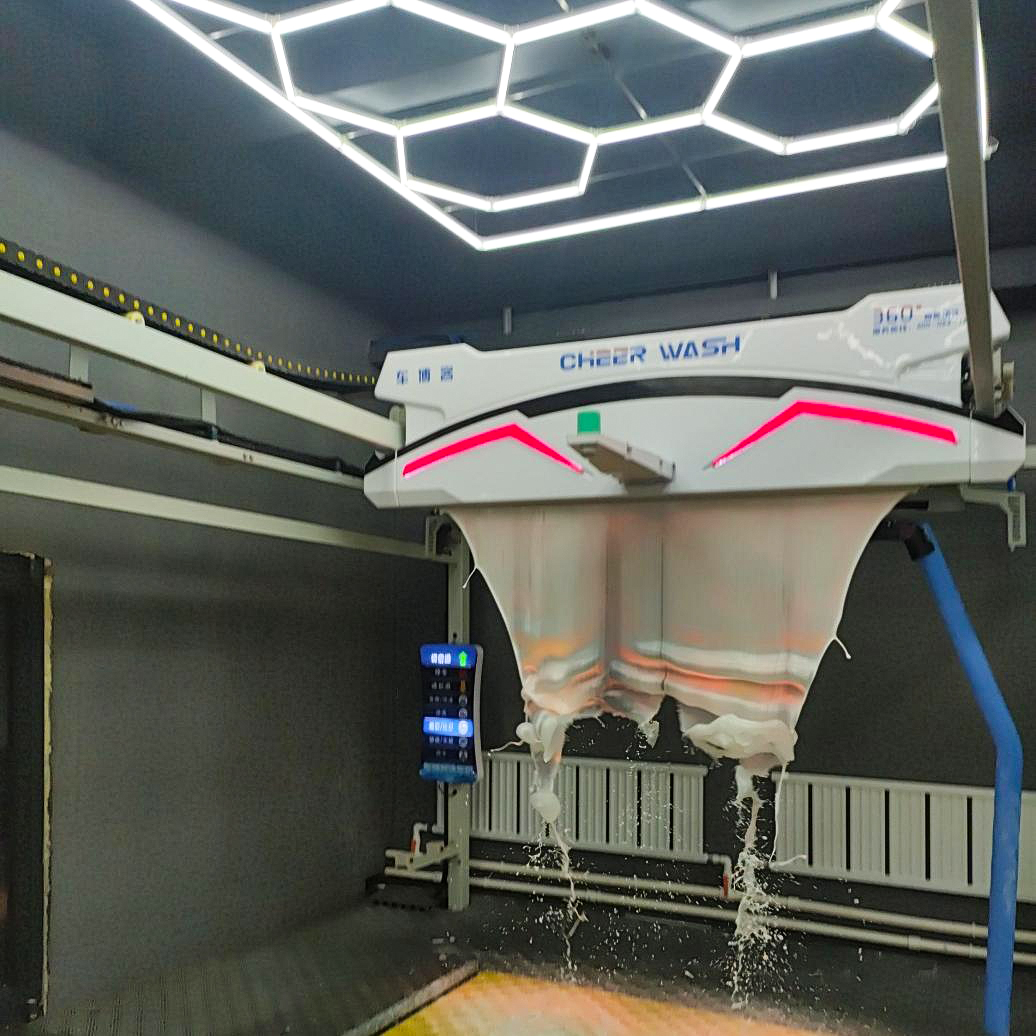
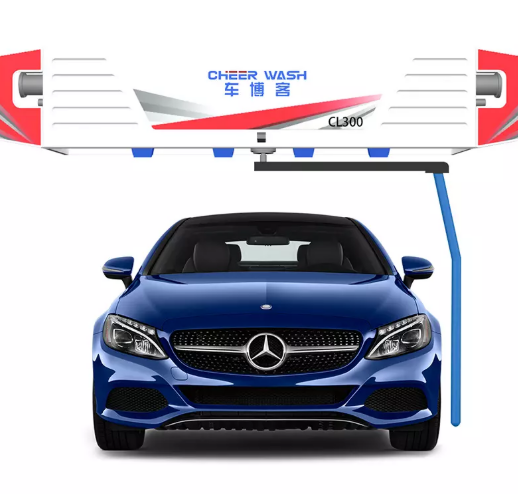
A touchless car wash machine cleans vehicles without brushes or cloths touching the car’s surface. Instead, it uses high-pressure water jets and strong detergents to remove dirt and grime. This method avoids physical contact, which reduces the risk of scratches or damage. Touchless systems rely on advanced sensors and nozzles that precisely spray water and cleaning agents.
How Touchless Systems Contribute to Water Conservation
Touchless car wash machines use water efficiently in several ways:
● Targeted Spraying: High-pressure jets focus water exactly where needed, reducing waste compared to traditional spray methods.
● Optimized Water Use: Sensors detect the car’s shape and size, adjusting water volume accordingly to avoid excess use.
● Integration with Recycling: Many touchless systems connect to water recycling units, reusing filtered water for rinsing or pre-wash stages.
● Less Water for Drying: Because touchless washes use strong detergents and high pressure, they often require less water for final rinses, saving more water overall.
By combining precise water application with recycling, touchless car washes can cut water use significantly compared to older methods.
Advantages of Using Touchless Car Wash Machines
Touchless car wash machines offer several benefits beyond water savings:
● Gentle on Vehicles: No brushes mean no scratches or swirl marks, preserving the car’s paint.
● Faster Wash Times: Automated sensors and efficient water use speed up the cleaning process.
● Lower Chemical Use: Concentrated detergents and precise sprays reduce the amount of chemicals needed.
● Improved Hygiene: Since no physical contact occurs, bacteria and dirt aren’t spread between vehicles.
● Environmental Benefits: Reduced water and chemical use lowers the ecological footprint, making touchless systems more sustainable.
For example, a touchless system might use 20-30% less water per wash than traditional brush-based car washes. This adds up to big savings in water and costs over time.
Environmental Impact of Car Wash Water Recycling
Reduction of Chemical Runoff
Car washes that recycle water play a big role in cutting down chemical runoff. When washing cars at home, soaps and chemicals often flow directly into storm drains, ending up in rivers and lakes. This runoff can harm aquatic life and pollute drinking water sources. In contrast, commercial car washes collect and treat wastewater, removing harmful chemicals before recycling it. Many use biodegradable, eco-friendly detergents that break down faster and cause less damage to the environment. By controlling and filtering the water, car washes prevent toxic substances from entering natural waterways, protecting ecosystems and public health.
Preventing Soil Erosion
Excess water flowing uncontrolled can cause soil erosion, washing away the topsoil and damaging local landscapes. Home car washing often leads to water runoff running off driveways and streets, carrying dirt and pollutants into storm drains. Commercial car washes manage water flow carefully. Their drainage and recycling systems control how water moves, reducing runoff speed and volume. This prevents soil displacement and keeps sediments from clogging waterways. By recycling water on-site, these facilities minimize the amount of water released into the environment, helping maintain soil integrity and protecting nearby ecosystems.
Energy Efficiency in Modern Car Washes
Modern car washes combine water recycling with energy-saving technologies. Using energy-efficient pumps, motors, and drying systems reduces electricity consumption. For example, electric pressure washers and optimized drying fans cut power use compared to older equipment. Some car washes even use renewable energy sources like solar panels to power parts of their operation. Efficient water recycling also means less energy is needed to heat fresh water, lowering overall energy demand. These improvements decrease greenhouse gas emissions and lower operating costs, making car washes more sustainable and eco-friendly.

The Pros and Cons of Car Wash Water Recycling Systems
Pros: Water Conservation and Cost Reduction
Water recycling systems in car washes offer huge benefits. The biggest advantage is water conservation. These systems can reduce fresh water use by up to 85%. That means a car wash that normally uses 60 gallons per vehicle might only need 9 gallons after recycling. This saves a vital resource, especially in areas facing water shortages.
Cost reduction is another major pro. By recycling water, businesses lower their water bills and sewer fees significantly. Over time, these savings add up, making the initial investment worthwhile. Recycling also reduces wastewater discharge, helping car washes meet environmental regulations and avoid fines.
Additionally, using recycled water supports a green image. Customers increasingly prefer businesses that care about sustainability. This can boost reputation and attract eco-conscious clients.
Cons: Setup Costs and Maintenance Requirements
Despite the benefits, there are some drawbacks. The initial setup cost of a water recycling system can be high. Equipment, installation, and integration with existing car wash systems require a substantial investment. This may be a barrier for small or new businesses.
Maintenance demands are another challenge. These systems need regular upkeep to work efficiently. Filters require cleaning or replacement, disinfectants must be monitored, and water quality tested frequently. Neglecting maintenance risks system failure or poor water quality, which can affect wash results and damage equipment.
Water quality restrictions also exist. Some parts of the wash process, like the final rinse, often require fresh water to ensure a spotless finish. This limits how much recycled water can replace fresh water.
Evaluating the Cost-Effectiveness
When weighing pros and cons, consider long-term savings versus upfront costs. A water recycling system may take several years to pay for itself through lower water and sewer bills. However, the environmental benefits and compliance with regulations add intangible value.
Businesses should analyze their water usage, local water costs, and maintenance capabilities before investing. Advanced systems with automated controls can optimize water use and reduce labor costs, improving return on investment.
Future Trends in Car Wash Water Recycling
Innovations in Water Recycling Technologies
Water recycling in car washes continues evolving rapidly. New technologies aim to improve water quality, reduce energy use, and automate processes. Some innovations include:
● Advanced Filtration Materials: Nanofiber filters and membrane technology capture even finer particles, improving water purity and extending filter life.
● Smart Sensors and IoT Integration: Sensors monitor water quality in real time, adjusting treatment steps automatically. This reduces manual checks and ensures consistent water cleanliness.
● Energy-Efficient Pumps and Systems: New pumps use less power while maintaining high flow rates, lowering energy costs and environmental impact.
● Chemical-Free Disinfection: Emerging methods like photocatalytic oxidation use light-activated catalysts to kill microbes without chemicals, making water treatment greener.
● Modular Recycling Units: Compact, scalable systems allow car washes to add recycling capacity as needed, making upgrades easier and more affordable.
Together, these advances make water recycling more effective, reliable, and accessible for car wash businesses of all sizes.
Potential Challenges and Solutions
Despite progress, some challenges remain:
● High Initial Investment: Cutting-edge systems can be costly to install. To address this, leasing options or government incentives for water-saving technologies can ease financial burdens.
● Maintenance Complexity: Advanced systems need skilled technicians for upkeep. Training programs and remote diagnostics help operators maintain equipment efficiently.
● Water Quality Standards: Some wash steps require near-pure water, limiting recycled water use. Hybrid systems combining recycled and fresh water balance quality and conservation.
● Regulatory Compliance: Varying local rules on water reuse complicate implementation. Staying informed and designing flexible systems that meet multiple standards is key.
By tackling these challenges, car wash operators can optimize water recycling benefits while minimizing risks.
Role of Touchless Car Wash Machines in Future Developments
Touchless car wash machines will play a crucial role in future water conservation efforts:
● Synergy with Recycling Systems: Touchless systems use precise water jets and sensors, which integrate well with recycled water supplies, maximizing reuse without compromising cleaning quality.
● Reduced Water Usage: Their targeted spraying and optimized detergent use lower overall water demand, enhancing the impact of recycling technologies.
● Faster Adoption of Smart Controls: Touchless machines often feature advanced automation, making it easier to implement real-time water management and recycling adjustments.
● Improved Customer Experience: As touchless technology advances, it offers gentle yet effective cleaning, encouraging more customers to choose eco-friendly car washes.
The combination of touchless technology and innovative recycling will drive the industry toward more sustainable, efficient operations.
Conclusion
Car washes recycle water by collecting, treating, and reusing it, significantly conserving water and reducing costs. These systems support sustainable practices in the car wash industry, offering environmental benefits and compliance with regulations. Touchless car wash machines enhance water efficiency, using precise spraying and recycling integration. By adopting these technologies, businesses like Cheer Wash can maximize water savings, improve sustainability, and attract eco-conscious customers, making a positive impact on both the environment and their bottom line.
FAQ
Q: What is a Touchless Car Wash Machine?
A: A Touchless Car Wash Machine cleans vehicles using high-pressure water jets and detergents without physical contact, reducing the risk of scratches.
Q: How does a Touchless Car Wash Machine recycle water?
A: Touchless Car Wash Machines often integrate with water recycling systems, using filtered water for rinsing and pre-wash stages to conserve water.
Q: Why choose a Touchless Car Wash Machine for water conservation?
A: Touchless Car Wash Machines use targeted spraying and optimized water use, reducing overall water consumption compared to traditional methods.