Purchasing commercial car wash equipment requires balancing upfront capital expenditure with long-term operational reliability. A poor selection leads to excessive chemical costs, frequent downtime, and a negative customer experience. You must approach this investment as a long-term strategic decision rather than a simple purchase. This comprehensive touchless car wash machine buying guide provides investors, facility operators, and enterprise buyers with a structured framework to evaluate hardware, site compatibility, operational software, and vendor credibility. We remain objective and evidence-based throughout this analysis. We move beyond marketing claims to focus on technical realities, operational efficiency, and critical implementation risks. By following these insights, you can navigate the complexities of modern car wash technology and secure a system that delivers consistent performance and value.
Key Takeaways
Hardware dictates wash quality: Precision sensors, variable frequency drives (VFDs), and targeted chemical application systems are critical differentiators among touchless car wash machine options.
Site readiness is a strict prerequisite: Utility capacities (water pressure, electrical load, drainage) must align precisely with manufacturer specifications before procurement.
Supplier support is non-negotiable: An automatic car wash equipment supplier must be evaluated on parts availability, technician response times, and warranty transparency, not just upfront pricing.
Evaluating Touchless Car Wash Machine Options and Hardware Configurations
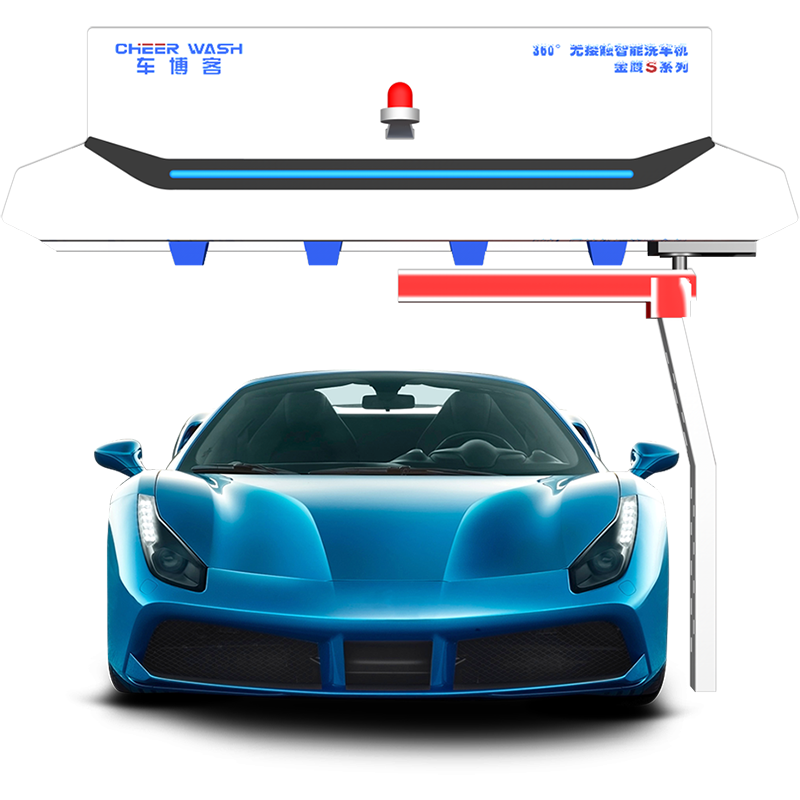
Selecting the right equipment starts with understanding how the machine interacts with a vehicle. A high-quality touchless car wash machine relies on the synergy between water pressure and chemical dwell time. You need to examine the balance between pump station pressure and precise chemical dosing systems. Touchless cleaning depends heavily on a dual-step presoak application to break down road film. Ensure the hardware supports high-pressure arches that maintain consistent impingement across the entire vehicle surface. Durability remains a core concern for heavy-duty operations. Inspect the materials used for spray arches and manifolds. Stainless steel components offer superior corrosion resistance compared to lower-grade alloys. Also, evaluate the nozzle technology. Zero-degree rotating nozzles concentrate water energy, providing a deeper clean than fixed, high-angle spray patterns. Sensor technology serves as the "eyes" of the system. Reliable ultrasonic or 3D mapping sensors prevent collisions. They ensure the machine maintains the optimal nozzle distance for maximum impact pressure. Finally, compare drying systems carefully. Onboard, gantry-mounted blowers often save space, while freestanding dryers provide more drying power for high-volume sites. Look for VFD-controlled blowers that adjust intensity based on vehicle contours, as this reduces energy waste.
Site Compatibility and Installation Requirements
Before finalizing your equipment choice, you must audit your facility. A common mistake involves ignoring bay dimensions. You must account for gantry movement, utility rails, and necessary maintenance access space. If the bay is too cramped, technicians cannot perform repairs quickly. This results in extended downtime during critical service windows. Utility infrastructure is a strict prerequisite for success. You must verify water line sizing and dynamic pressure requirements. If the water supply lacks volume, your high-pressure pumps will starve. This leads to poor wash quality and premature pump failure. Furthermore, check local regulations for water reclamation and oil-water separation systems. These are often mandatory in modern facilities. Electrical load management is equally important. Audit your facility for 3-phase power availability. High-pressure pumps and multi-motor drying systems create significant startup loads. Retrofitting an older facility often requires substantial electrical upgrades. Failing to plan for these changes leads to massive cost overruns. Always consult a licensed electrical engineer before signing a procurement contract.
The following table outlines the essential site requirements for a standard high-performance commercial wash bay:
System Requirement
Operational Importance
Electrical Infrastructure
Ensures stable power for motors and pumps under load.
Water Flow Rate
Prevents pump cavitation and ensures rinsing efficiency.
Drainage Capacity
Handles high-volume water runoff without flooding the bay.
Bay Clearance
Allows for safe gantry travel and technician accessibility.
Automating Operations: Unattended and Digital Features
The transition to unattended operations necessitates advanced software. Modern touchless car wash machine options must integrate seamlessly with point-of-sale systems. Evaluate the compatibility of your chosen equipment with local credit card readers and mobile payment apps. These systems should provide a friction-less experience for customers. Ensure your payment terminals are rugged enough to withstand extreme weather conditions and potential vandalism. Remote monitoring transforms how you manage your business. Look for cloud-based dashboards that provide real-time status alerts. You should receive notifications regarding low chemical levels or water pressure drops immediately. This proactive approach helps you address issues before they cause system downtime. Software should also allow for remote resets, saving you from unnecessary site visits. Accurate, real-time wash counts are essential for accounting purposes. Reliable reporting tools help you track revenue and optimize your business growth strategies.
How to Vet an Automatic Car Wash Equipment Supplier
Vetting an automatic car wash equipment supplier requires more than a casual conversation. You must investigate the depth of their regional service network. Ask for guaranteed response times for critical events. A supplier without local parts warehousing can leave your system idle for days while waiting for components. Quality standards reflect the manufacturing rigor of the brand. Check for ISO certifications, UL electrical compliance, or CE safety marks. These signify adherence to international quality protocols. Beyond certifications, perform rigorous reference checks. Request case studies or site visits to facilities that have operated the equipment for at least three years. Finally, deconstruct the warranty agreement. A strong warranty distinguishes between structural frame components, sensitive electronics, and high-wear items like hoses or nozzles. Be wary of blanket warranties that lack specific timelines for critical subsystems. A transparent, detailed warranty protects your investment against unforeseen manufacturing defects.
Calculating ROI and Operational Realities
You must balance capital expenditure against long-term operational efficiency. Map out your initial equipment and installation costs clearly. Compare these against projected utility usage—water and electricity per car—and expected chemical consumption rates. These metrics are the primary drivers of your ongoing expenses. Hidden costs often derail poorly planned projects. Factor in the cost of a high-quality water softening system. Hard water prevents soaps from foaming correctly, which forces you to use more chemicals for a clean wash. Additionally, plan for consistent preventative maintenance. You should also account for seasonal winterization protocols if you operate in cold climates. Shortlisting vendors requires a disciplined logic. Create a weighted decision matrix to remove emotional bias. Use the following breakdown to score each prospective manufacturer:
Wash Quality (30%): How well does it clean the average vehicle?
Uptime and Reliability (30%): Does the system stay operational under stress?
Support and Service (20%): How fast does the vendor provide parts or technicians?
Equipment Costs (20%): Is the initial capital investment justified by efficiency?
This structured approach ensures you choose a partner that supports your long-term success rather than just providing a machine.
FAQ
Q: How long does a commercial touchless car wash machine typically last?
A: A well-maintained unit generally provides a 7 to 10-year lifecycle. Longevity depends heavily on rigorous preventative maintenance, water quality management, and the frequency of use. Systems operating in high-volume environments require more frequent service for wear-and-tear components like nozzles, hoses, and sensors to reach the upper end of this lifespan.
Q: Does a touchless car wash use more water and chemicals than a friction wash?
A: Yes, it generally requires more chemicals and higher water pressure. Because there is no mechanical friction to scrub away dirt, the system relies on chemical reactions and high-impact water streams to break down road film. However, modern reclamation systems can capture and filter a significant percentage of water for reuse, mitigating environmental impact and reducing waste.
Q: What are the primary reasons for downtime in automated touchless systems?
A: Common failure points include sensor fouling, clogged high-pressure nozzles, and payment terminal connectivity issues. Sensors can get dirty or misaligned, stopping the gantry. Nozzles eventually clog due to mineral buildup or debris in the lines. Integrating remote diagnostic software helps you identify these specific issues immediately, allowing for quicker repairs and minimizing overall system downtime.
Q: Can existing friction car wash bays be converted to touchless?
A: While converting a bay is structurally possible, it is a complex engineering task. You will likely need to upgrade your electrical panels to handle different power loads and overhaul the plumbing infrastructure to support high-pressure requirements. Most older bays lack the necessary water line diameter or the specific floor drainage capacity required for efficient touchless washing. Always conduct a formal site audit with your equipment supplier before proceeding.