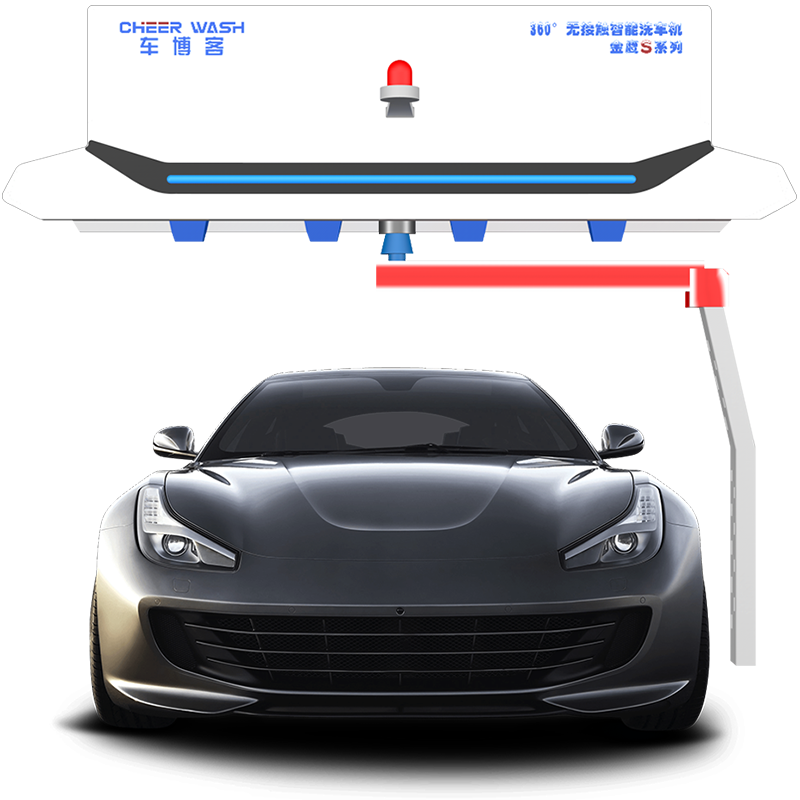
Transitioning to or launching an unattended car wash business requires hardware capable of flawless operation without human intervention. You need robust systems designed for absolute autonomy. The primary challenge remains balancing high wash quality alongside perfect automated reliability. A machine needing constant manual resets defeats the entire purpose of an unattended model. Similarly, equipment failing to clean complex vehicle contours will quickly drive your customers away. Customers demand perfection. Your site must deliver this perfection consistently around the clock.
This guide provides a definitive, evidence-based framework for evaluating and selecting your core equipment. You will learn to choose a touchless car wash machine based on specific site geography, target throughput, and daily operational realities. We outline exactly what matters most for long-term success. Read on to discover how modern automation transforms standard bays into highly profitable, hands-free operations.
Key Takeaways
Match Equipment to Geography: Selection must align with local environmental factors (e.g., urban dust vs. rural heavy mud) to determine necessary features like undercarriage blasts or extended chemical dwell times.
Automation is More Than Washing: True unattended success relies on seamless integration with remote monitoring and modern payment gateways (like QR codes and mobile apps).
Understand Throughput Limits: High-quality touchless washes with integrated drying typically take 7–10 minutes per vehicle; ROI calculations must reflect realistic daily capacities (e.g., 100–150 cars/day) rather than theoretical maximums.
Factor in Utility Realities: Touchless systems rely heavily on water pressure and chemical action, making water quality (RO systems) and utility access critical pre-installation considerations.
The Business Case for an Unattended Touchless Car Wash
Shifting from labor-dependent models to 24/7 automated revenue generation defines modern industry success. You measure this success through machine uptime, reduced overhead, and consistent wash quality. Removing manual labor eliminates wage inflation risks. It also ensures your site stays open during off-peak hours. Late-night and early-morning customers represent a highly profitable demographic. A reliable unattended touchless car wash captures this revenue seamlessly.
Market demand heavily favors friction-free washing today. Owners of high-end vehicles, custom-wrapped cars, and ceramic-coated trucks actively avoid traditional brush washes. Friction systems can cause micro-marring or damage delicate aftermarket accessories. Touchless solutions protect vehicle finishes. They rely entirely on high-pressure water and precise chemical applications. This approach attracts a premium customer base willing to pay higher ticket prices.
You must also understand the strict "unattended" mandate. Your equipment requires robust self-diagnostics. It needs automatic fault recovery. Fail-safes are mandatory to prevent vehicle damage when no staff works on-site. If a customer parks incorrectly, the machine must safely abort the cycle. It should then reset itself for the next user. This level of intelligent automation protects your physical assets and your brand reputation.
Core Configurations: Matching the Machine to Your Site Profile
Selecting the right hardware means matching machine capabilities directly to your local market. Do not overbuild or under-equip your bays. Review the four core configuration tiers below to find your optimal fit.
Entry-Level Systems (Basic Body Wash)
These machines fit perfectly in small footprints. They work well for gas stations or operators transitioning from manual wash bays. They deliver basic chemical applications followed by a high-pressure rinse. However, they lack deep wheel and undercarriage cleaning features. This limitation typically results in lower average ticket prices.
Mid-Tier Systems (Body + Undercarriage)
Mid-tier options suit urban and suburban locations. They handle heavy family and commuter traffic beautifully. Automated sensors trigger powerful undercarriage blasts upon entry. This added feature allows operators to upsell premium wash packages. Commuters highly value undercarriage cleaning during winter and rainy seasons.
High-Volume Systems (Integrated Drying)
Dedicated auto care centers and high-traffic retail pads require this tier. High-volume systems include on-board or synchronized high-power blowers. This eliminates any need for manual towel-drying. The integrated process maintains a 7–10 minute cycle time. Consequently, you can confidently support up to 150 cars daily without bottlenecks.
Extreme Condition Systems (Full-Option/Heavy Duty)
Regions featuring unpaved roads, heavy winter salting, or red clay demand extreme configurations. These units feature extended high-pressure wheel scrubbing. They also use specialized chemical applicators to prevent secondary dirt adhesion. Deploying this tier creates a massive local competitive moat. Customers quickly learn your site is the only one capable of removing stubborn mud.
Site Profile and Machine Configuration Chart
System Tier
Ideal Location
Key Value Add
Cycle Time Impact
Entry-Level
Gas stations, small footprints
Low initial investment
Fast (Wash only)
Mid-Tier
Urban/Suburban areas
Undercarriage cleaning upsells
Moderate
High-Volume
Dedicated retail pads
Integrated drying, no labor needed
7–10 minutes full service
Extreme Condition
Rural, muddy, or snowy regions
Heavy-duty wheel/mud removal
Longer chemical dwell times
Essential Tech Features for 24/7 Unattended Operations
Hardware strength alone cannot sustain an unattended business. Your software and digital integrations dictate your daily operational success. You must prioritize several essential technologies.
Seamless Payment Integration: A frictionless customer journey is mandatory. Your setup must support a QR code payment car wash system. It also needs RFID membership readers and contactless credit card terminals. These features capture impulse buyers easily. They also drive high-margin monthly subscription models.
Smart Sensor Technology: Modern machines utilize ultrasonic or infrared contouring systems. They accurately map vehicle dimensions in real-time. This mapping allows the spray arch to maintain an optimal distance from the vehicle. It maximizes impact pressure without ever making physical contact.
Remote Monitoring & Diagnostics: You need cloud-based dashboards to run unattended sites. These platforms allow you to monitor chemical levels remotely. You can track daily revenue from your smartphone. Most importantly, you can remotely reset minor machine faults without driving to the site.
Automated Winterization: Climate dictates specific tech needs. Cold regions require intelligent weep systems. You also need automatic bay door integrations. These systems prevent pipe freezing during off-hours. They automatically purge water lines when temperatures drop below freezing.
Common Mistake: Many new operators skimp on payment gateways. Relying solely on outdated coin or cash machines invites vandalism. It also frustrates modern consumers who expect digital payment options.
Evaluation Criteria: Assessing Automatic Touchless Car Wash Equipment
You must evaluate potential equipment strictly on performance metrics. Glossy brochures often hide mechanical shortcomings. Look closely at the engineering behind the automatic touchless car wash equipment you plan to buy.
Cleaning Efficacy (The Chemistry & Pressure Equation)
Frictionless washing relies entirely on science. The machine must deliver precise chemical dilutions. Standard best practice dictates a two-step chemical process. First, a low pH (acidic) pre-soak targets mineral soils and road salts. Next, a high pH (alkaline) soap breaks down oils, greases, and organic bugs. The equipment must apply these chemicals accurately. It then needs to maintain consistent PSI to blast the loosened dirt away. Evaluate the pump station's reliability thoroughly. High-grade stainless steel pumps resist chemical corrosion better than cheaper alternatives.
Throughput vs. Wash Quality
Avoid exaggerated speed claims. A thorough touchless wash requires proper chemical "dwell time." Chemicals need 30 to 60 seconds to break molecular dirt bonds. Rushing this step leaves a film on the vehicle. Evaluate machines based on realistic cycle times. Understand how a proper 8-minute wash impacts your peak-hour revenue. Quality always builds better long-term loyalty than sheer speed.
Footprint and Bay Dimensions
Strictly assess your existing real estate. Measure the required bay length, width, and height clearances. Integrated drying systems demand longer bays than basic wash-only setups. You must also account for the equipment room size. Heavy-duty pump stations, water heaters, and chemical storage tanks require substantial dedicated space. Verify these dimensions before finalizing any site plans.
Implementation Risks and Maintenance Realities
Operators often misunderstand the realities of automation. They assume "automated" means "zero effort." This assumption leads to poor wash quality and frequent machine downtime.
The "Set and Forget" Myth
Unattended absolutely does not mean unmaintained. You face the reality of daily or weekly site checks. Wind blows trash into the bay. Mud accumulates in the floor drains. You must replenish chemical drums regularly. Most importantly, you must wipe down the machine's ultrasonic sensors. Dirty sensors cannot read vehicle contours accurately. They may trigger false safety aborts, shutting down your bay prematurely.
Water Quality Dependencies
Touchless systems are incredibly sensitive to hard water. Hard water neutralizes cleaning chemicals. It requires you to use more soap to achieve the same result. Furthermore, hard water leaves severe mineral spots on drying vehicles. You must invest in commercial Water Softeners. Additionally, a Reverse Osmosis (RO) system is practically mandatory. RO water strips out total dissolved solids (TDS). Using RO water for the final rinse ensures a pristine, spot-free finish.
Installation Prerequisites
Verify your local utility capacities long before purchasing equipment. Touchless wash systems consume significant water volumes per minute. Check your municipal water tap size to ensure adequate flow rates. You also need specific 3-phase power availability. The massive electric motors running the high-pressure pumps and drying blowers pull heavy amperage. Finally, confirm your site meets local drainage and wastewater compliance standards. Some municipalities require specialized oil-water separators in your catch basins.
Conclusion: Shortlisting and Next Steps
Building a profitable unattended wash requires meticulous planning. You must select hardware aligning with your specific environmental needs. You also need modern payment tech and reliable utility setups.
Prioritize manufacturers offering site-specific business consulting over pure hardware sales. A good vendor acts as a partner. They help you analyze your traffic patterns and soil types before recommending a machine tier.
Service Level Agreements (SLAs) remain crucial. Local technician availability dictates your uptime. Parts availability matters more than the machine's base price. If your bay goes down on a Saturday morning, you need immediate support.
Actionable Next Steps:
Request a comprehensive site survey from your top vendor candidates.
Conduct a professional utility audit (water flow and electrical capacity).
Test your local water hardness to size your RO system correctly.
Finalize your machine configuration based on these concrete data points.
FAQ
Q: How long does a touchless car wash machine typically last?
A: A quality system typically lasts 10 to 15 years. This lifespan heavily depends on proactive preventative maintenance. You must service the high-pressure pumps regularly. Proper water softening also prevents scale buildup inside the machine's internal piping, significantly extending its operational life.
Q: Can a touchless system clean as effectively as a friction (brush) wash?
A: Yes, but they use different methods. Touchless systems excel at protecting vehicle finishes. They require precise low and high pH chemical balancing and high water pressure to dissolve road film. Heavy, baked-on mud may require specialized heavy-duty touchless configurations with extended dwell times to match friction results.
Q: What are the hidden costs of running an unattended touchless car wash?
A: The main recurring expenses involve utilities and consumables. You will consume higher volumes of water and electricity, especially for high-horsepower dryers. You must also budget for chemical replenishment, payment gateway processing fees, and the routine maintenance of your Reverse Osmosis water filters.
Q: Do I need a specific bay size to upgrade to automatic equipment?
A: Yes. You must meet specific minimum length and width requirements. Touchless machines moving on a track need adequate clearance around the largest permitted vehicles. Additionally, if you choose an integrated drying system, you typically require a longer bay than a basic wash-only setup demands.