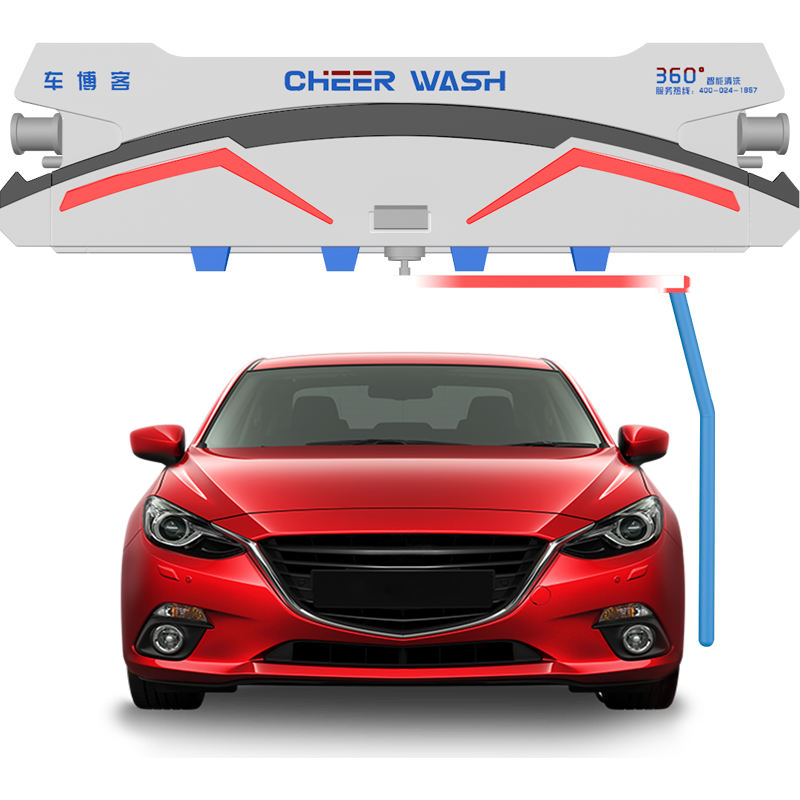
The commercial car wash industry is rapidly shifting away from labor-intensive, friction-based models toward automated, high-throughput systems driven by IoT technology. Operators face a continuous struggle balancing wash volume and revenue generation against rising labor costs, unpredictable equipment maintenance, and costly vehicle damage claims. Integrating remote management capabilities with touchless technology addresses these operational bottlenecks. This approach offers a scalable solution that protects both vehicle integrity and operator margins. We see facilities struggling with brush maintenance and customer complaints about micro-scratches daily. Moving to a frictionless setup eliminates physical contact with the vehicle entirely. You get a cleaner car without the liability of paint damage. Cloud-based telemetry allows you to monitor wash counts, chemical dosing, and machine diagnostics in real-time. This drastically reduces on-site labor requirements and keeps your bays open longer.
- Remote-controlled contactless systems eliminate brush-related paint damage liability while enabling secure, 24/7 unmanned operations.
- Cloud-based telemetry allows operators to monitor wash counts, chemical dosing, and machine diagnostics in real-time, drastically reducing on-site labor requirements.
- While initial capital expenditure is higher, it is offset by reduced maintenance costs, lower utility waste, and increased throughput capabilities.
- Successful deployment requires robust network infrastructure, precise sensor calibration, and optimized chemical formulations to ensure wash quality without physical agitation.
The Operational Shift: Why Upgrade to Smart Car Wash Equipment?
Framing the Problem: Labor, Liability, and Throughput
Traditional friction-based washes carry hidden operational burdens that eat into your margins. Frequent brush replacement disrupts operations and requires constant inventory management. You also face liability for vehicle clear-coat damage. Cloth and foam brushes trap grit from previous vehicles. This grit transfers to the next car, causing micro-scratches and swirl marks. Customers notice these defects and demand compensation. Legacy automated systems compound these issues. They often lack remote diagnostics. When a fault occurs, the machine simply stops. You must send a technician to diagnose the problem on-site. This leads to extended downtime. Upgrading to smart car wash equipment solves these legacy problems. Real-time alerts replace manual troubleshooting. You can see exactly which sensor tripped or which motor drew too much amperage right from your phone.
Labor shortages continue to plague the car wash industry. Finding reliable attendants to prep cars, guide vehicles onto conveyors, and handle payment processing is difficult. High turnover rates mean you spend more time training new staff than optimizing your wash process. Friction systems also require daily physical inspections. You have to check hydraulic lines, grease bearings, and inspect cloth strips for wear. This preventative maintenance takes hours out of your week. When you shift to a touchless model, the mechanical complexity drops. You remove the spinning shafts, hydraulic motors, and heavy friction materials. This simplifies your maintenance schedule and reduces your reliance on specialized mechanical labor.
Comparative Analysis: Hand Wash vs. Friction vs. Touchless Automatic Systems
Evaluating different wash methods reveals clear operational trade-offs. Hand washing provides high detail but requires immense labor. It suffers from slow throughput and inconsistent quality. Traditional friction washes offer fast processing. However, they inflict high wear-and-tear on vehicle paint. A touchless automatic system minimizes human error entirely. It eliminates mechanical paint contact while optimizing vehicle processing speeds. You rely on chemical action and high-pressure water impingement rather than physical scrubbing.
| Wash Method | Throughput Speed | Paint Safety | Labor Requirement | Maintenance Overhead |
| Hand Wash | Low (2-4 vehicles/hour) | High (if done correctly) | Very High | Low |
| Friction Automatic | High (40+ vehicles/hour) | Low (risk of micro-scratches) | Medium (attendants often needed) | Very High |
| Touchless Automatic | Medium-High (15-25 vehicles/hour) | Very High (no physical contact) | Low (unmanned capable) | Medium |
The table above illustrates why the industry is moving toward touchless automation. You achieve a balance of speed and safety that friction and hand washing cannot match. Touchless systems process vehicles fast enough to handle weekend rushes without damaging clear coats. You also eliminate the need for a large staff. One operator can manage multiple touchless bays across different locations using remote monitoring tools.
Defining Success Criteria for Modern Wash Operators
You must establish core metrics to evaluate equipment upgrades effectively. Track your utility consumption rates per cycle. Monitor your machine uptime percentage closely. Vehicles per hour (VPH) remains a critical performance indicator. Automation standardizes wash consistency across multiple franchise locations. Every customer receives the exact same wash quality regardless of the site they visit. This consistency builds brand loyalty and drives repeat visits. You should also track chemical cost per car. Touchless systems use precise dosing pumps that measure chemicals down to the milliliter. This prevents waste and ensures you apply the exact amount of detergent needed to break down road film.
- Measure your current cost per wash, including water, electricity, and chemical usage.
- Track your average vehicles per hour during peak weekend times.
- Calculate your monthly downtime hours caused by mechanical failures or sensor faults.
- Review your annual payout for vehicle damage claims related to friction brushes.
- Assess your weekly labor hours dedicated to equipment maintenance and site supervision.
![Remote-Controlled Contactless Car Wash Machine]()
Core Benefits of a Remote-Controlled Contactless Car Wash Machine
Paint-Safe Cleaning Protocols & The Science of Frictionless Washing
A Remote-Controlled Contactless Car Wash Machine relies on chemistry and fluid dynamics. High-pressure water jets replace physical friction. Scientifically formulated chemistry removes road film and contaminants. This process mitigates micro-scratching and swirl marks entirely. It prevents damage to side mirrors, antennas, and wiper blades. Fewer damaged vehicles mean fewer customer complaints and insurance claims. Many operators remain skeptical about cleaning without friction. Dual-stage chemical applications solve this challenge. The system applies a low-pH presoak followed by a high-pH detergent. This combination breaks the electrostatic bond holding dirt to the vehicle surface. High-pressure rinses then blast the loosened debris away safely.
The science of frictionless washing depends heavily on water quality and temperature. You must use softened water to allow the chemicals to foam and cling to the vehicle surface properly. Hard water contains calcium and magnesium minerals that neutralize detergents. This forces you to use more chemicals to achieve the same cleaning result. Heating the water also accelerates the chemical reaction. Hot water cuts through grease, oil, and winter road salts much faster than cold water. When you combine heated, softened water with precise chemical dosing and high-pressure impingement, you achieve a perfectly clean vehicle without ever touching the paint.
Unmanned 24/7/365 Operations via Remote Car Wash Control
Cloud-based dashboards allow you to manage off-hour operations effortlessly. You do not need on-site attendants for late-night washes. Implementing remote car wash control provides automated fault alerts directly to your device. You gain remote reset capabilities for minor faults. You can troubleshoot sensor errors from a centralized location. This minimizes operational downtime and keeps the bay open. All-weather resilience is another major advantage. You manage environmental variables remotely. Trigger automatic anti-freeze cycles when temperatures drop. Initiate winterization protocols to ensure year-round operation without frozen pipes.
Remote control systems give you granular access to machine functions. If a customer pulls in too far and trips a safety sensor, the machine halts. In the past, you had to drive to the site to reset the gantry. Now, you receive a push notification. You open the app, view the live camera feed, and instruct the customer to back up via a two-way intercom. Once the vehicle is in the correct position, you clear the fault and restart the wash cycle from your phone. This takes thirty seconds instead of thirty minutes. You save time, and the customer leaves satisfied instead of frustrated.
Operational Efficiency, Speed, and Resource Management
End-users appreciate the time-saving benefits of touchless systems. Wash cycles typically last only three to five minutes. Rapid throughput drives higher daily wash volumes. Precision chemical dosing systems integrate directly into the control panel. They adjust output based on real-time environmental data and vehicle size. This prevents chemical waste on smaller cars. Contactless systems pair perfectly with water reclamation units. You can track and minimize utility consumption per wash cycle. Reusing filtered water drastically lowers your municipal water draw.
Variable Frequency Drives (VFDs) play a massive role in operational efficiency. Older machines used contactors that slammed motors on and off at full power. This caused massive power spikes and mechanical wear. VFDs ramp the gantry motors and high-pressure pumps up smoothly. This reduces your peak electrical demand charges. It also extends the lifespan of your gearboxes and pump seals. When you combine VFDs with smart profiling sensors, the machine only uses the exact amount of water and electricity required for that specific vehicle footprint.
Evaluating Features vs. Business Outcomes
Mobile App Car Wash Machine Integration
Mobile applications empower site operators with real-time telemetry. A mobile app car wash machine tracks daily volume and preventative maintenance alerts. You monitor chemical barrel levels from your phone. Consumer-facing benefits also drive engagement. Apps enable dynamic wash packages and subscription-based loyalty programs. Customers use frictionless payment gateways directly through the app. They simply drive up, scan a code, and the wash begins automatically.
Subscription models transform your cash flow. Instead of relying on sunny weekends for revenue, you collect recurring monthly payments. The mobile app manages the billing, vehicle identification, and wash limits automatically. You can offer unlimited wash clubs or tiered packages based on the chemical applications. The app also provides a direct marketing channel. You can send push notifications offering discounts during slow periods or rainy days. This drives volume when the bays would otherwise sit empty.
Hardware Reliability: The CL500 Car Wash Machine Benchmark
Industry-standard models set the benchmark for component durability. The CL500 car wash machine utilizes robust high-pressure pumps and variable frequency drives. Heavy-duty gantry motors ensure smooth, consistent passes over the vehicle. 3D ultrasonic profiling technology plays a crucial role here. It accurately maps vehicle contours upon entry. The system adjusts the nozzle distance and water impact force accordingly. This ensures maximum cleaning power without wasting water or energy.
Hardware reliability directly impacts your bottom line. You need stainless steel frames to resist the corrosive environment of a wash bay. Aluminum and galvanized steel eventually succumb to the harsh chemicals and constant moisture. High-pressure pumps must feature ceramic plungers and brass manifolds to withstand continuous duty cycles. The CL500 utilizes these industrial-grade components to minimize maintenance intervals. When you invest in reliable hardware, you spend less time replacing blown hoses and leaking seals. You spend more time washing cars and generating revenue.
Financial Trade-Offs and Long-Term Value
Capital Expenditure (CapEx) vs. Operating Expenses (OpEx)
Smart touchless systems require a higher initial capital expenditure compared to basic rollover units. You are paying for advanced sensors, VFDs, and cloud connectivity. However, you must evaluate this against your long-term operating expenses. You reduce labor overhead drastically by operating unmanned bays. Water usage drops when paired with smart profiling and reclamation systems. Chemical waste diminishes through precise, computer-controlled dosing. Over a standard equipment lifecycle, these efficiency gains compound rapidly.
The machinery experiences less physical wear because there are no spinning brushes. Fewer moving parts mean fewer mechanical failures and extended operational lifespans. You do not have to budget for replacement foam brushes every year. You do not have to pay technicians to rebuild hydraulic motors. The savings in maintenance parts and labor often offset the higher initial purchase price within the first three years of operation. You also eliminate the unpredictable costs associated with vehicle damage claims.
Revenue Generation Potential
Touchless systems capture premium wash volume effectively. You market the safety and advanced technology to high-end vehicle owners. Sports car and luxury SUV owners actively seek out frictionless options. They refuse to take their vehicles through traditional brush tunnels. 24/7 automated availability captures off-peak wash volume. Night shift workers and early risers utilize the facility when traditional washes are closed. This expands your daily operational window and maximizes total site throughput.
You can also upcharge for premium chemical applications. Ceramic sealants, graphene coatings, and tri-color foam conditioners carry high profit margins. Touchless machines apply these chemicals perfectly using dedicated manifolds and nozzles. Customers gladly pay extra for a wash package that includes a high-gloss ceramic finish. The machine applies the product in seconds, but it adds significant value to the ticket price. This increases your average revenue per user without slowing down your throughput.
Implementation Risks and Mitigation Strategies
Network Infrastructure and Connectivity
System downtime caused by poor internet connectivity poses a real risk. Loss of remote management capabilities leaves you blind to site conditions. Local network outages can halt payment processing. Implement redundant cellular backups to mitigate this risk. Establish localized failover protocols to keep the machine running offline. Secure VPN tunnels ensure uninterrupted, safe remote access for diagnostics.
You must treat your network infrastructure as a critical utility, just like water and power. Install commercial-grade routers and switches. Do not rely on consumer-grade Wi-Fi equipment in a wet, industrial environment. Hardwire your payment terminals and machine controllers whenever possible. Use cellular modems with dual SIM cards from different carriers to ensure you always have a connection. If the primary fiber line goes down, the cellular backup kicks in automatically, keeping your bays open and processing payments.
Wash Quality Variables in Touchless Systems
Inadequate cleaning of heavy, baked-on road film remains a challenge. Oxidized clear coats can look dull without physical agitation. You must optimize water temperature to activate the chemicals properly. Maintain optimal PSI at the nozzles for maximum impact. Utilize a precise two-step chemical application to break down stubborn road film. Regularly test your water hardness, as hard water neutralizes cleaning agents.
Chemical titration is a mandatory weekly maintenance task. You cannot just set the dosing pumps and forget them. Changes in municipal water pressure or temperature affect how the chemicals draw. You must manually test the pH levels of your presoak and detergent to ensure they fall within the manufacturer's specifications. If the pH is too low, you will not break the static bond of the dirt. If the pH is too high, you risk dulling the vehicle's trim. Consistent titration guarantees consistent wash quality.
Sensor Calibration and Preventative Maintenance
Misaligned or dirty sensors cause inefficient wash passes. They lead to missed vehicle sections or unnecessary safety stops. Establish a strict, data-driven preventative maintenance schedule. Clean optical and ultrasonic sensors weekly. Use remote diagnostic alerts to guide your maintenance visits. Replace worn nozzles before they lose their spray pattern integrity.
Ultrasonic sensors bounce sound waves off the vehicle to map its profile. If a spider builds a web over the sensor face, or if chemical overspray coats the lens, the sensor will read incorrectly. The machine might think a small sedan is a large truck, wasting water and chemicals. Or worse, it might not see the vehicle at all and halt the wash. Wiping down all sensor faces with a microfiber cloth and glass cleaner takes five minutes but prevents hours of troubleshooting later. You must also check the alignment of your photo-eyes to ensure the gantry tracks perfectly down the bay.
Conclusion
- Conduct a thorough site audit to verify water quality, pressure, and electrical capacity before installation.
- Install commercial-grade cellular backup routers to ensure continuous remote monitoring and payment processing.
- Establish a strict weekly cleaning schedule for all ultrasonic and optical sensors to prevent false safety stops.
- Perform weekly chemical titration tests to maintain optimal pH levels for frictionless cleaning.
FAQ
Q: Does a contactless car wash clean as effectively as a friction wash?
A: Yes, when properly calibrated. Contactless washes rely on a precise combination of water temperature, high pressure, and dual-stage chemistry. This breaks the electrostatic bond of dirt without needing physical brushes, ensuring a clean surface without micro-scratches.
Q: How does remote car wash control handle emergency stops or vehicle misalignment?
A: Sensors detect misalignment or obstacles and instantly halt the gantry. The system sends an immediate alert to the operator's mobile device. The operator can view camera feeds, assess the situation, and remotely reset the machine once the bay is clear.
Q: Is a contactless wash truly enough to get a vehicle clean without manual prep?
A: For standard road grime and daily driving, yes. However, heavily baked-on mud or severe bug splatter may require a manual pre-soak. Optimizing chemical concentration and water temperature minimizes the need for any manual prep.
Q: Can a mobile app car wash machine integrate with existing payment terminals?
A: Most modern smart wash systems feature open APIs. This allows them to integrate seamlessly with existing on-site payment kiosks, license plate recognition cameras, and custom mobile loyalty applications.
Q: What routine maintenance is required for high-end models?
A: Routine maintenance includes cleaning ultrasonic sensors, inspecting high-pressure hoses for leaks, checking chemical injector draw rates, and greasing gantry rails. Remote dashboards help track these intervals automatically.
Q: How do touchless systems automatically adjust to different vehicle sizes?
A: They use 3D ultrasonic and infrared profiling upon vehicle entry. The machine maps the length, width, and height of the vehicle. It then adjusts the gantry travel and nozzle distance to maintain optimal water impact force.